

Have you ever listened to a singing bowl or a gentle chime and noticed how it draws your attention away from everything else? That simple experience is part of what makes a sound bath appealing to people looking for a quieter moment in their day.
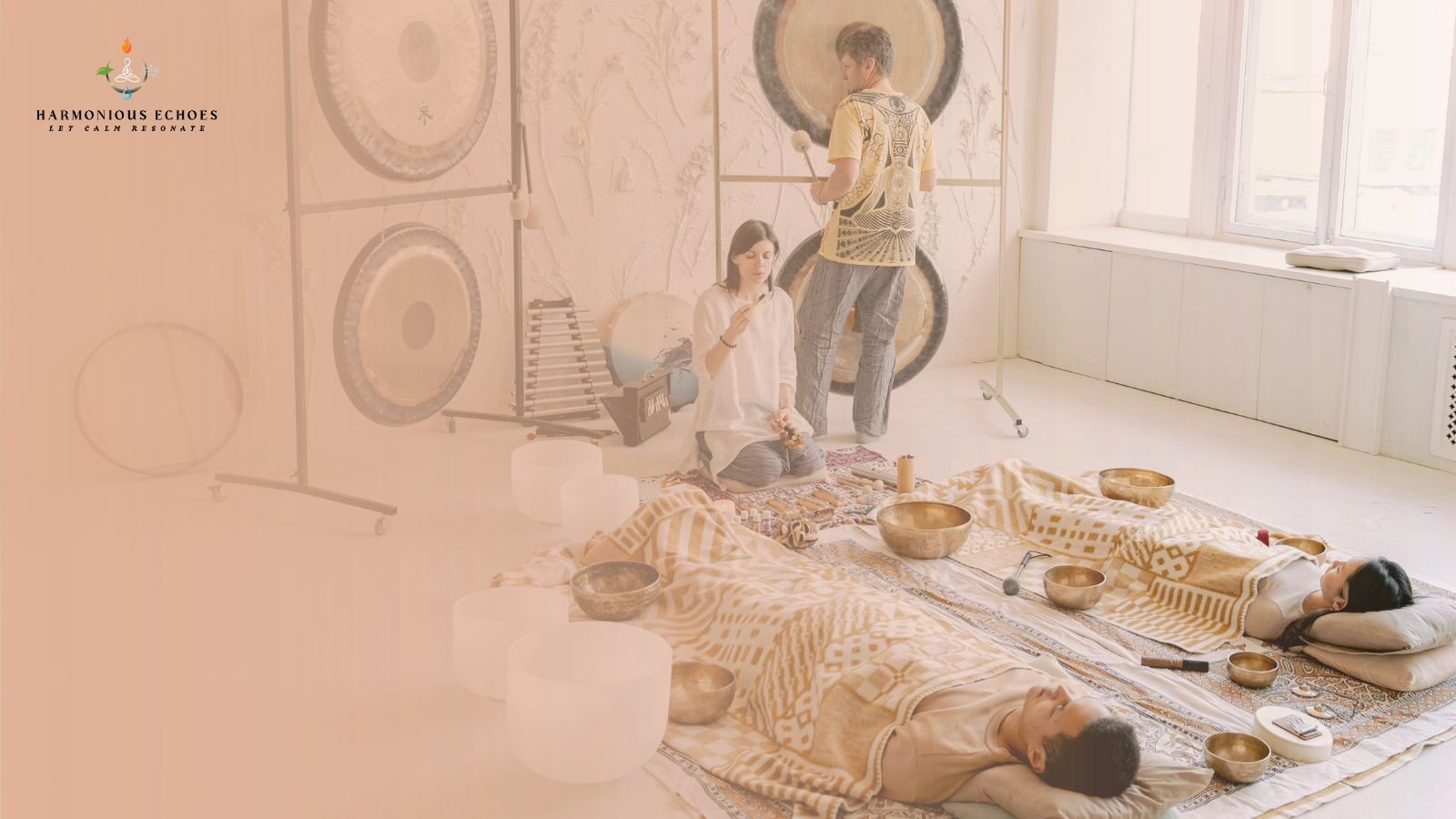
A sound bath is a guided relaxation experience in which a practitioner uses instruments such as crystal singing bowls, Tibetan singing bowls, chimes, and drums to create layers of sound. Participants usually sit or lie down comfortably while listening. There is no need to sing, dance, follow a rhythm, or have previous meditation experience.
For some people, a sound bath is a way to unwind after a busy day. Others explore it as part of a broader wellness routine that includes meditation, yoga, or Reiki. If you are curious about sound healing but are unsure what happens during a session, understanding the basics can help you decide whether it is something you would like to try.
What Happens During a Sound Bath?
A sound bath usually takes place in a calm indoor space, although some sessions are held outdoors. The practitioner creates a soundscape using instruments with different tones, rhythms, and resonances.
Participants typically lie on yoga mats or sit in comfortable chairs. The session may begin with a few minutes of quiet breathing or a short guided meditation. The practitioner then plays the instruments while participants rest and listen.
The sounds may be soft and gentle or deeper and more resonant, depending on the instruments and the style of the session. You can close your eyes, focus on your breathing, or simply notice the sounds as they change.
At the end, the practitioner gradually brings the session to a close, often allowing a few quiet moments before everyone returns to their usual activities.
There is no single correct way to experience a sound bath. You might feel relaxed, notice your thoughts more clearly, or simply enjoy having uninterrupted time away from everyday distractions.
Which Instruments Are Used in a Sound Bath?
Different instruments produce different tones and textures. The combination depends on the practitioner, the session format, and the experience being offered.
Crystal Singing Bowls
Crystal singing bowls produce clear, resonant tones when played with a mallet. Their sustained sounds are often used during sound meditation to create a steady point of attention.
Tibetan Singing Bowls
Tibetan singing bowls, traditionally made from metal, produce rich tones when struck or played around the rim. They are commonly used in sound-based relaxation practices.
Chimes and Bells
Chimes and bells create lighter, higher-pitched sounds. A practitioner may use them to introduce a gentle transition between different parts of a session.
Ocean Drums and Rain Sticks
These instruments create sounds reminiscent of moving water or falling rain. Their changing textures add variety to the soundscape.
Crystal Harp and Other Instruments
Some practitioners incorporate a crystal harp or other instruments to create additional layers of sound. The instruments used will vary from one session to another.
If you are sensitive to particular sounds, let the practitioner know before the session. You can ask about the instruments, volume, and available adjustments.
What Are the Benefits of a Sound Bath?
People explore sound baths for different reasons, but many are interested in having dedicated time for rest and mindful attention.
Potential benefits of the experience include:
Relaxation: Setting aside time to lie down, listen, and step away from daily responsibilities may help you unwind.
Stress management: A quiet session can provide a break from work, screens, and other everyday demands.
Mindfulness: Paying attention to changing sounds gives your mind something to focus on in the present moment.
Personal reflection: A period of quiet can create space to notice your thoughts and feelings without immediately responding to them.
A regular wellness routine: Some people enjoy including sound baths alongside activities such as gentle yoga, meditation, or journaling.
It is important to understand that experiences vary. Research into sound-based interventions is still developing, and sound baths should not be presented as a guaranteed treatment for anxiety, depression, insomnia, chronic pain, or other medical conditions. They are best approached as a complementary wellness activity rather than a replacement for professional healthcare.
What Is the Difference Between a Sound Bath and Sound Healing?
The terms sound bath and sound healing are often used together, but they do not always mean exactly the same thing.
A sound bath generally describes a particular experience in which people listen to instruments in a relaxed setting. It is often offered to groups and may include gentle breathing or guided meditation.
Sound healing is a broader term used for practices that incorporate sound and vibration into a wellness experience. It can include group sound baths, individual sound sessions, and other sound-based practices.
Neither term guarantees a particular outcome. The format, instruments, practitioner, and individual response all influence the experience.
For someone new to these practices, a group sound bath can be a straightforward way to explore whether sound-based relaxation feels comfortable and enjoyable.
Is a Sound Bath the Same as Meditation?
No. A sound bath and meditation are related, but they are not identical.
Meditation includes a range of practices designed to develop attention, awareness, or a particular relationship with thoughts and feelings. Some forms involve focusing on the breath, repeating a phrase, or observing thoughts without judgment.
A sound bath uses instruments to create an auditory experience. The sounds can serve as a focus for attention, and some sessions include guided meditation, but others simply invite participants to rest and listen.
You do not need to be an experienced meditator to attend a sound bath. If you find traditional meditation difficult because your mind tends to wander, listening to the instruments may offer a different way to explore mindful awareness.
Who Can Attend a Sound Bath?
Sound baths are generally designed for people who want to explore relaxation through sound. Beginners are welcome, and previous experience with yoga, meditation, or Reiki is not usually required.
A session may appeal to people who:
- Want a quiet break from a busy schedule.
- Are curious about meditation and mindfulness.
- Enjoy music, singing bowls, and resonant sounds.
- Want to explore complementary wellness practices.
- Prefer a guided relaxation experience rather than a movement-based class.
Comfort is important. If you have tinnitus, sound sensitivity, a history of sound-triggered symptoms, or a medical condition that may be affected by loud sounds, speak with the practitioner before attending. Ask whether the volume can be adjusted and choose a position that feels comfortable. You can leave or pause the experience if you feel uncomfortable.
What Should You Expect at Your First Sound Bath?
Your first sound bath does not require special preparation. Comfortable clothing is usually sufficient, although you may want to bring a yoga mat, blanket, and small pillow.
Arrive a few minutes early so you can settle in and ask any questions. During the session, follow the practitioner’s instructions and find a comfortable position.
You do not have to empty your mind or remain perfectly still. If you start thinking about work, family, or your to-do list, simply return your attention to the sounds when you feel ready.
After the session, take a few moments before getting up. People respond differently: some feel refreshed, some feel calm, and others simply appreciate the opportunity to rest.
For a more detailed introduction, read our guide on what to expect at your first sound bath in Mountain View, CA.
Where Can You Experience a Sound Bath in Mountain View, CA?
If you are interested in trying a sound bath in Mountain View, California, consider the type of session you prefer, the instruments used, the location, and the length of the experience.
Harmonious Echoes offers sound healing experiences led by Veronique. Its services include sound baths and Reiki-infused sound bath experiences for people interested in sound-based relaxation and holistic wellness.
The business is located at 275 Moffett Boulevard in Mountain View, California. You can explore the Harmonious Echoes services page to learn about the available options.
If you prefer to combine sound with Reiki, visit the Reiki-Infused Sound Bath page. Check the website’s event listings for current dates, locations, and registration details before making plans.
People searching for sound healing in San Jose, CA, can also check the available service and event information to find an option that fits their location and schedule.
Is a Sound Bath Worth Trying?
Whether a sound bath is right for you depends on your interests, comfort, and expectations. If you enjoy calming sounds and want to set aside time for yourself, it may be worth exploring.
You do not need to expect a dramatic transformation or a particular sensation. You can approach the session with curiosity, listen to the instruments, and decide afterward whether the experience suits you.
A sound bath is not a substitute for medical or mental health treatment, but it can be one way to make room for rest and mindful attention in a busy routine.
If you would like to experience one for yourself, visit Harmonious Echoes to explore the available sound healing services and find a session that matches your preferences.
Frequently Asked Questions About Sound Baths
1. What is a sound bath in simple terms?
A sound bath is a guided relaxation experience in which a practitioner plays instruments such as singing bowls, chimes, and drums while participants sit or lie comfortably and listen. It does not involve water, and no previous meditation experience is required.
2. How does a sound bath work?
During a sound bath, instruments produce tones and resonances that participants listen to while resting. Some sessions include breathing exercises or guided meditation. People may use the sounds as a focus for attention, although individual experiences differ.
3. What are the benefits of a sound bath?
People commonly attend sound baths for relaxation, stress management, mindful awareness, and personal reflection. Individual responses vary, and sound baths are not a proven cure or guaranteed treatment for medical conditions.
4. How long does a sound bath last?
The duration depends on the provider and session format. Some experiences are relatively short, while others last an hour or longer. Check the session description before booking to confirm its length.
5. Do I need experience with meditation to attend a sound bath?
No. Sound baths are generally beginner-friendly. You can listen comfortably without needing to clear your mind, follow a complicated technique, or have previous experience with meditation or yoga.
6. What should I bring to a sound bath?
Wear comfortable clothing and consider bringing a yoga mat, blanket, small pillow, and water. Ask the organizer whether mats and other equipment are provided.
7. Is sound healing the same as a sound bath?
Not exactly. A sound bath is one type of sound-based relaxation experience. Sound healing is a broader term that may describe different practices involving sound and vibration.
8. Can I attend a sound bath in Mountain View, CA?
Yes. Harmonious Echoes is located at 275 Moffett Boulevard, Mountain View, California, and offers sound healing experiences. Visit its services page or check its event listings for current session information.
9. Are sound baths safe for everyone?
Not necessarily. People with tinnitus, sound sensitivity, or conditions that may be affected by sound should discuss their needs with the practitioner beforehand. Ask about volume adjustments and stop the session if you feel uncomfortable.
10. How do I book a sound bath with Harmonious Echoes?
Visit the Harmonious Echoes website and explore the services or event listings. Review the session details and follow the booking instructions for the experience you want to attend.